The Bucket List
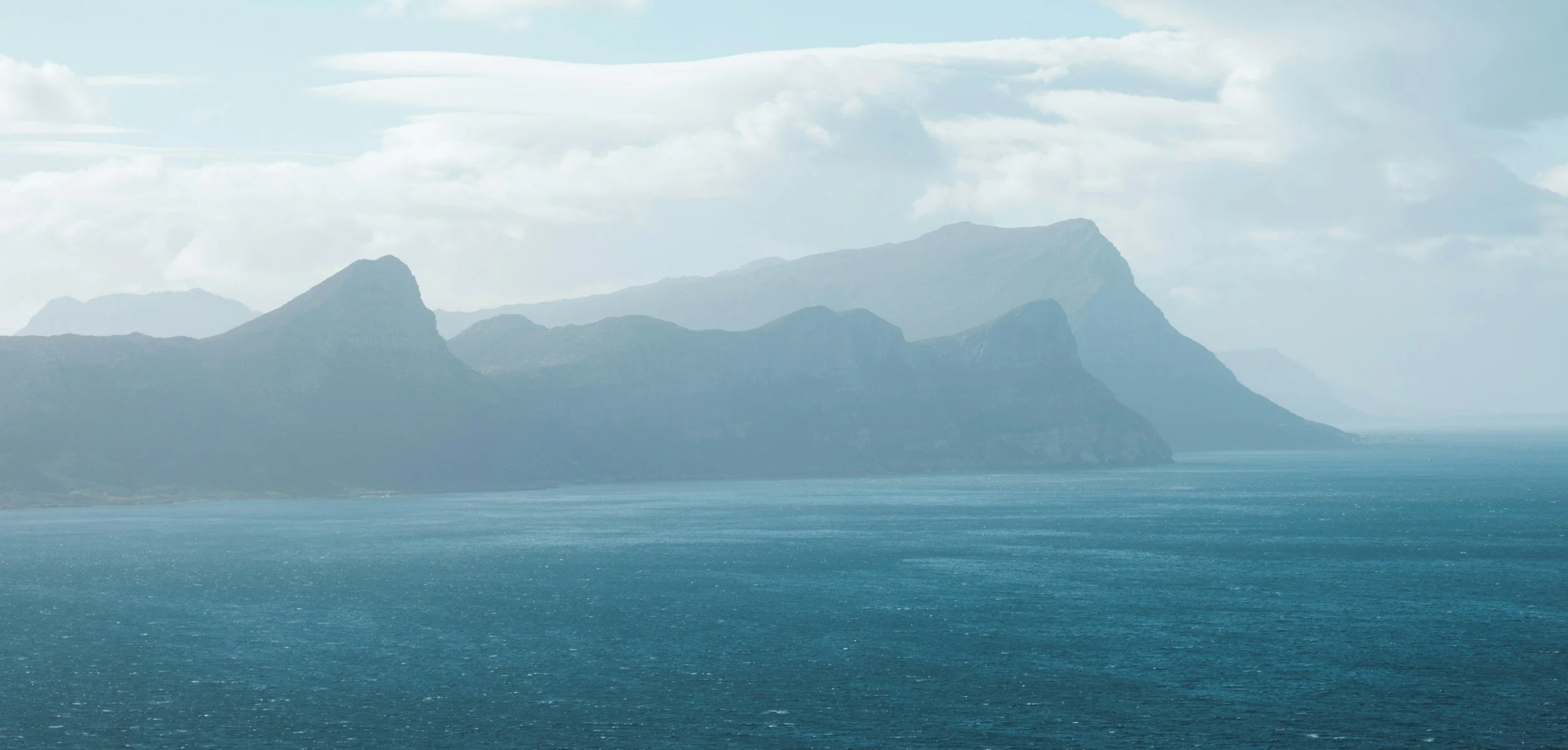
Experience the ultimate South African pilgrimage with our Bucket List Tour, a curated journey through Cape Town’s most iconic wonders. From the legendary heights of Table Mountain to the cobblestone history of the city centre, every moment is a postcard waiting to happen.
Feel the ocean breeze at the Cape Peninsula, meet the famous Boulders Beach penguins, and lose yourself in the sun-drenched vineyards of the Winelands. These aren't just sights; they are the world’s most coveted memories. Your dream adventure starts here.
The Cape Peninsula Tour
Most Cape Town travel brochures will show you a postcard of the coast. At MiaMoja, we show you the pulse. This isn't just a drive; it’s a native-led immersion into the rugged, "out-of-this-world" landscapes of the Cape Peninsula. We act as your cultural translator, navigating the "corner pieces" of this iconic route—from the adrenaline of the Atlantic seaboard to the quiet, bittersweet histories tucked into the mountain shadows.
-
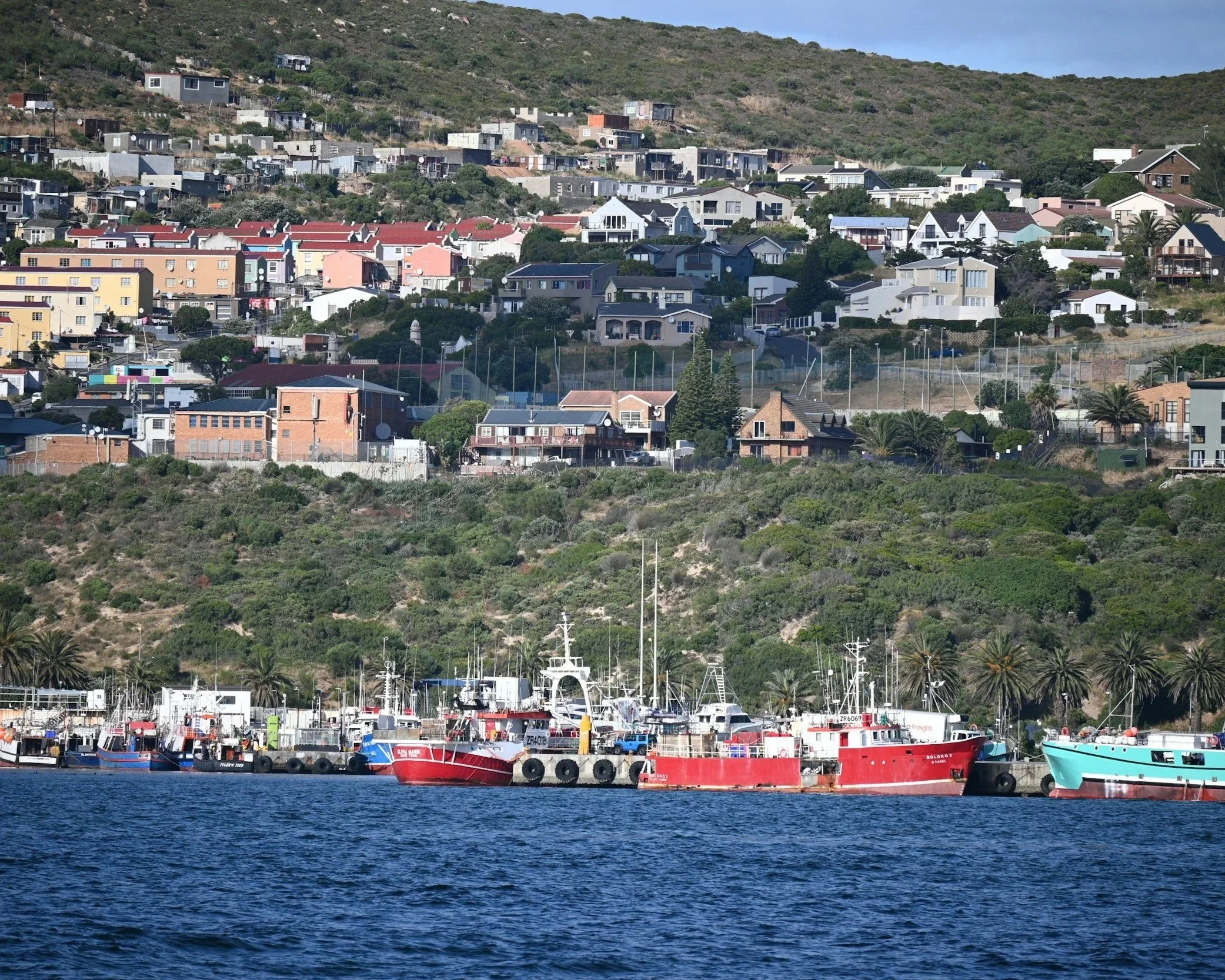
Our journey begins in Hout Bay, a valley that retains its own defiant identity. While tourists see the harbor, we see the "working-class heartbeat" of a community built on the fishing industry. You’ll witness the rugged beauty of the "Sentinel" mountain guarding the bay, a reminder of the raw, untamed nature that defines our coast.
-
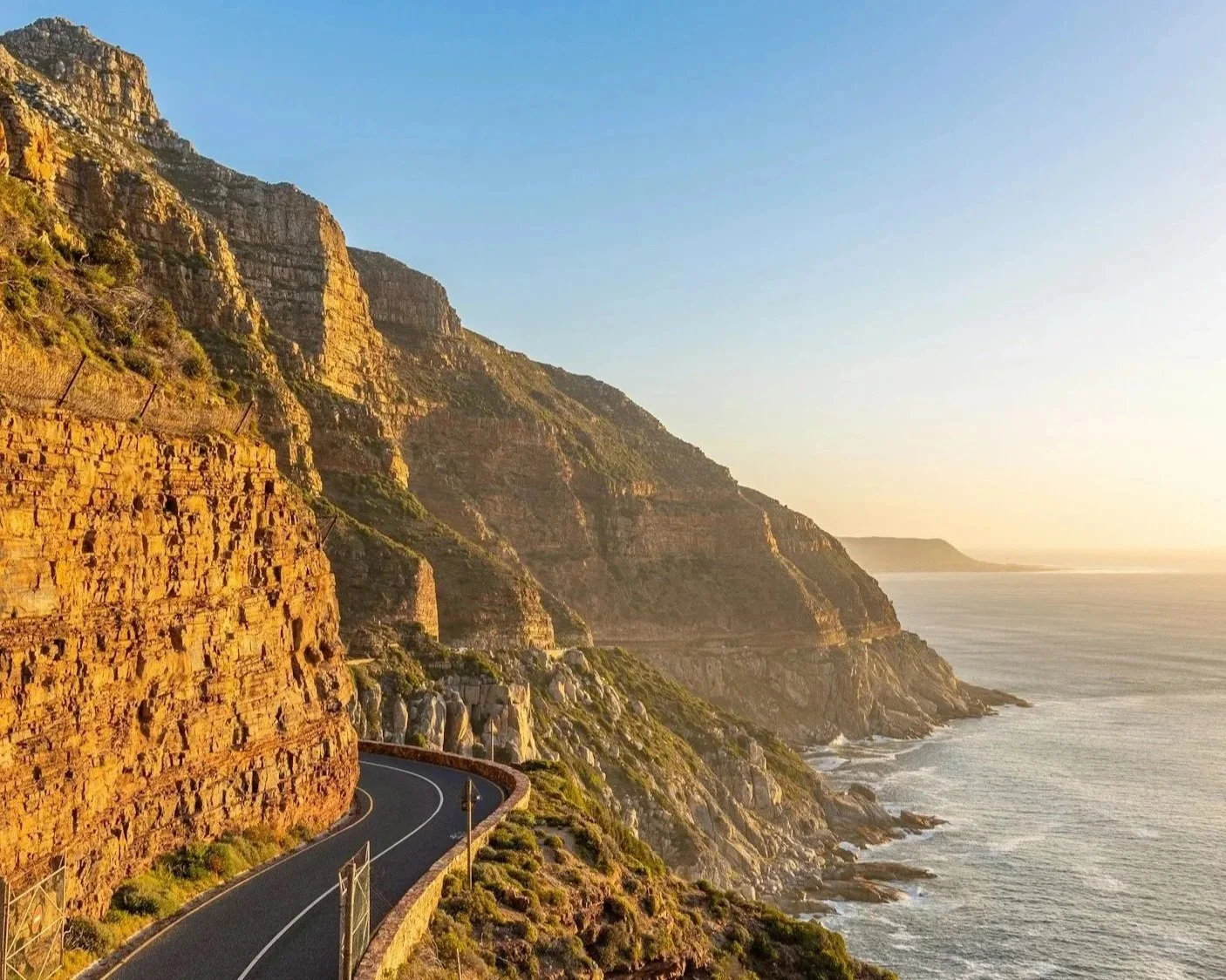
We don’t just drive Chapman’s Peak; we experience one of the world's most spectacular coastal passes through a local’s eyes. This winding route is a testament to human ambition carved into ancient granite. We find the quiet pull-offs—the spots that feel like your own private paradise—away from the "big bus" crowds.
-
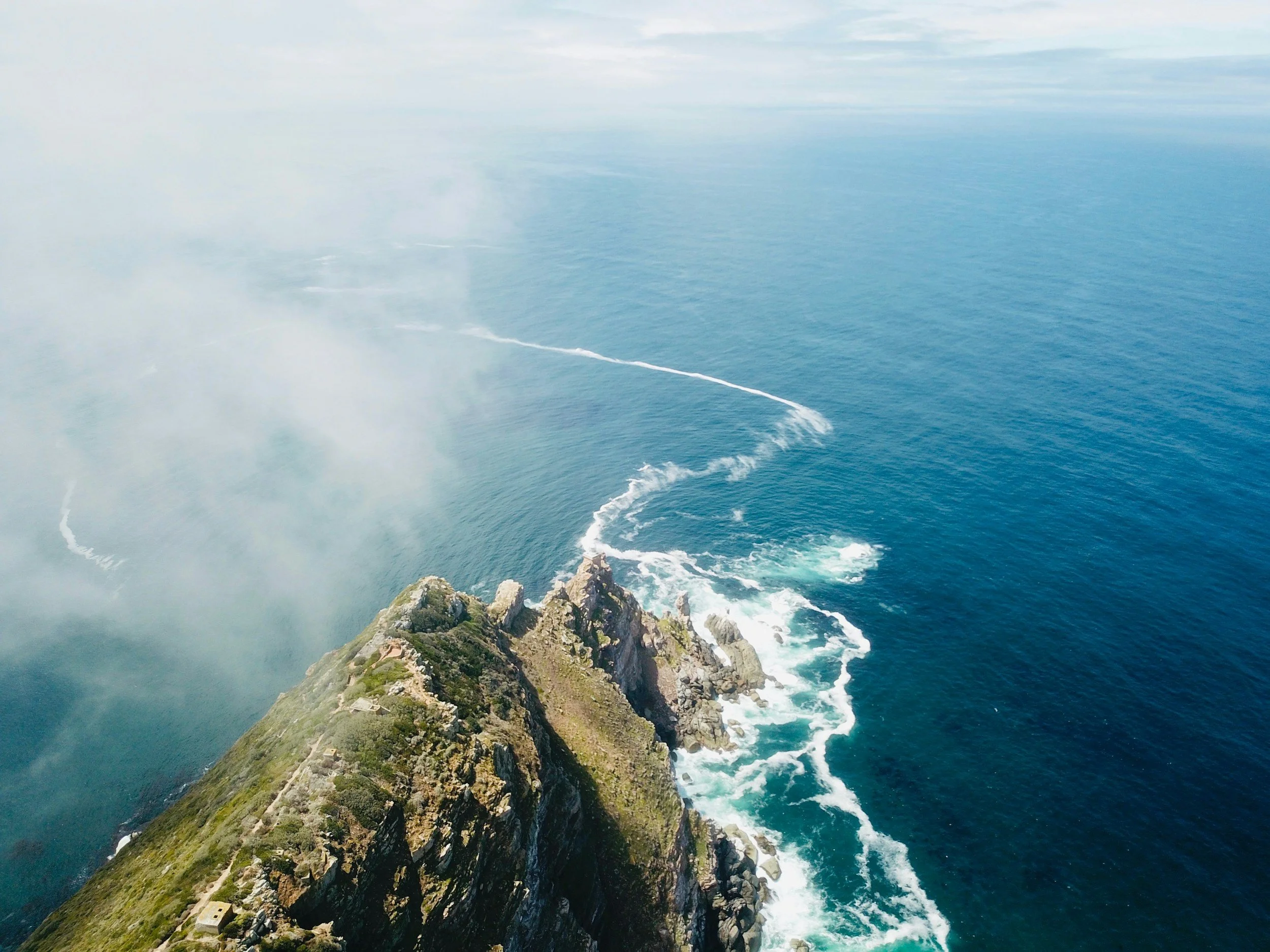
At the tip of the peninsula lies Cape Point and the Cape of Good Hope. Here, we deconstruct the popular myth: while many believe this is where the Atlantic and Indian Oceans meet, we’ll share the "native’s truth" about the meeting of the cold Benguela and warm Agulhas currents. This is the "Cape of Storms," a maritime graveyard rich with history and the rugged spirit of discovery.
-
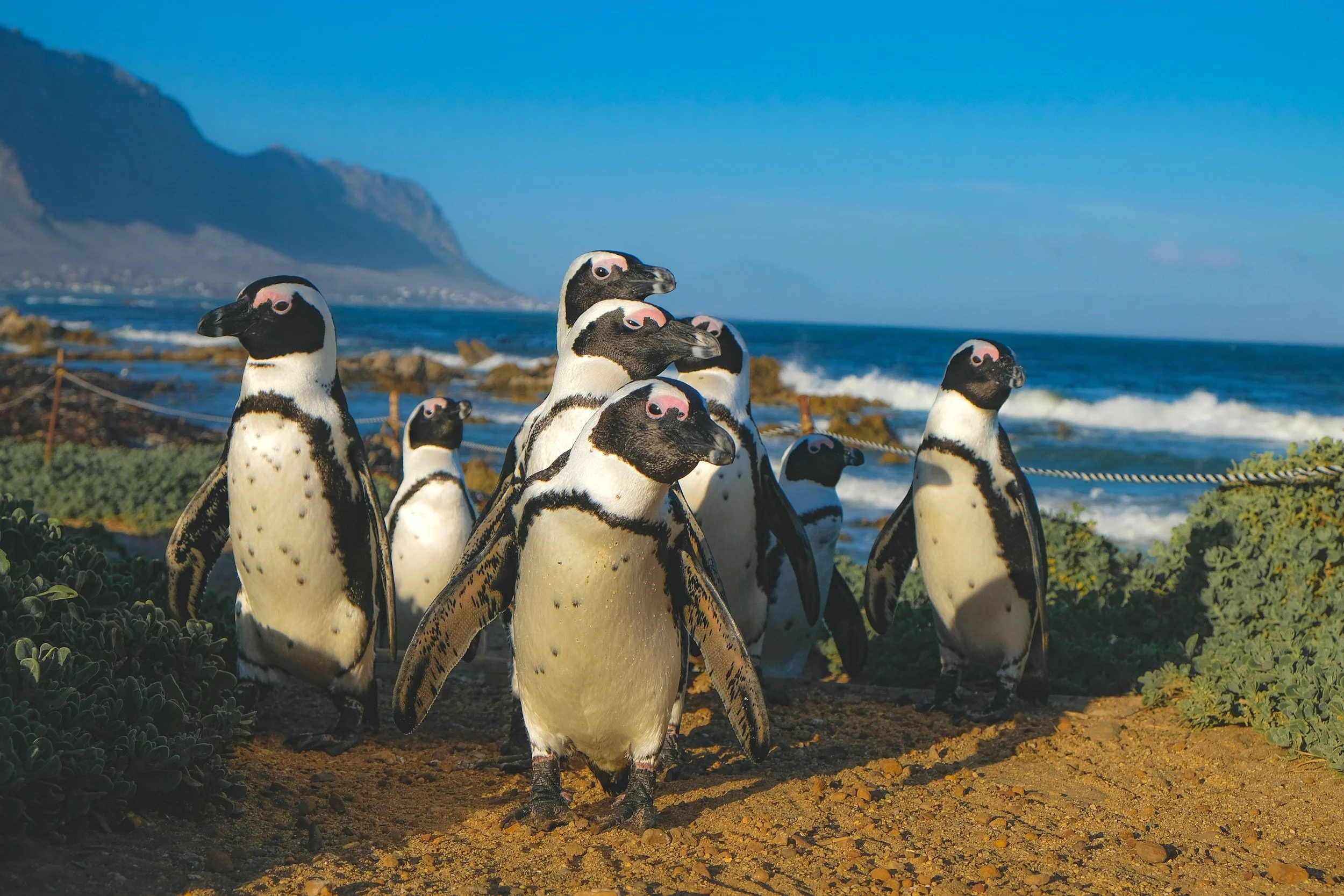
In Simon's Town, we visit the iconic Boulders Beach penguins. Beyond the photo-op, we’ll talk about the conservation of the endangered African Penguin—a "bittersweet" nuance of urban change where nature and the city constantly negotiate for space.
The City Tour: A Tale of Two Tides
The prosperity of the City was not built on an empty landscape. This tour pays homage to the enslaved people from Madagascar, India, and Indonesia whose resilience and craftsmanship built the foundations of Cape Town. From the stone walls of the Castle to the cultivated beauty of the region, their legacy remains the soul of the city we see today.
-
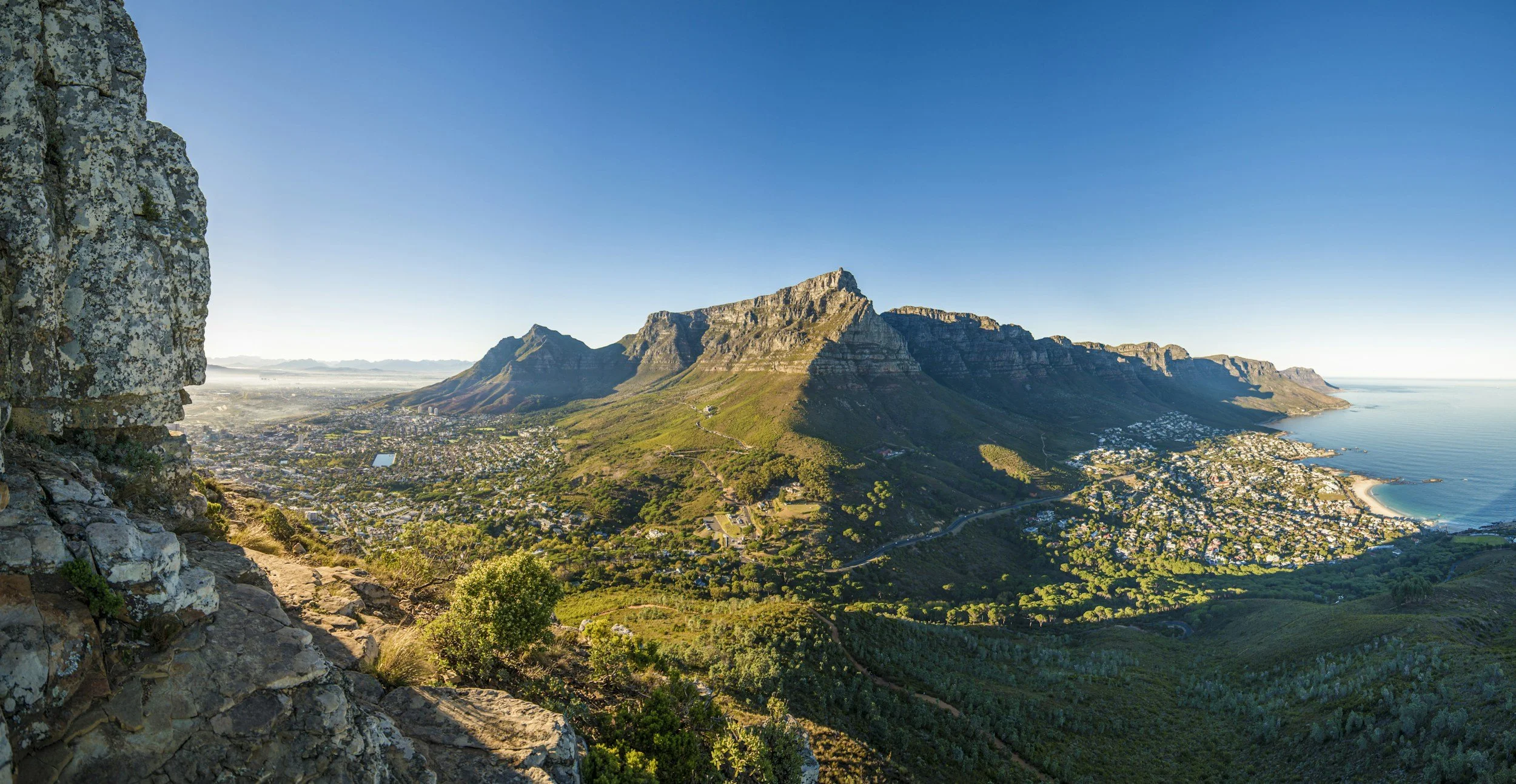
The Tabletop: We begin with the looming presence of Table Mountain, a 260-million-year-old sandstone icon that anchors the city. Experience the mountain "as it is"—a sheer, imposing wall of rock that has dictated the city's climate and growth for centuries.
The Flank: From the slopes of Signal Hill (the "Lion’s Flank"), see how the mountain and hill work in tandem. Learn how signal flags once fluttered here to alert the town of arriving ships, creating a vital communication link between the stone giant and the global maritime trade below.
-
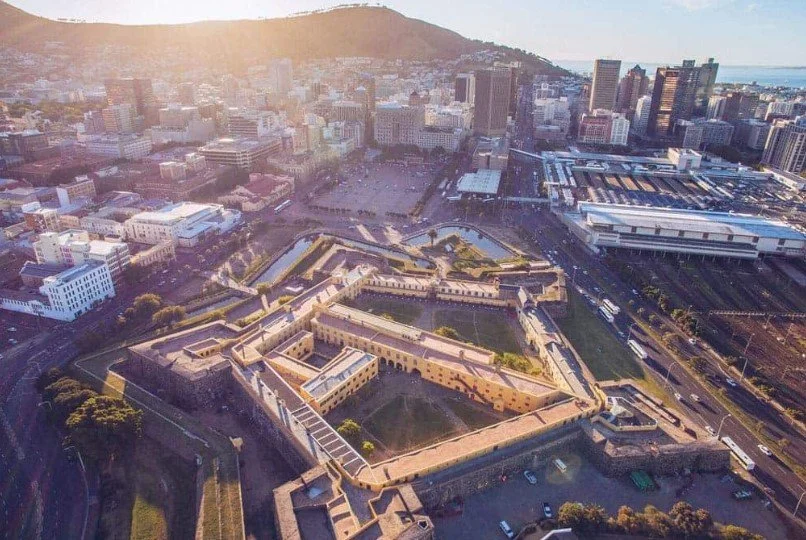
The Fortress: Explore the pentagonal stone fortress that served as the VOC’s military and administrative hub.
The Architecture of Power: Walk through the courtrooms and cells that dictated life in the shadow of the mountain, and learn about the "jagged star" designed to guard the Dutch colony against both the sea and the local inhabitants.
-
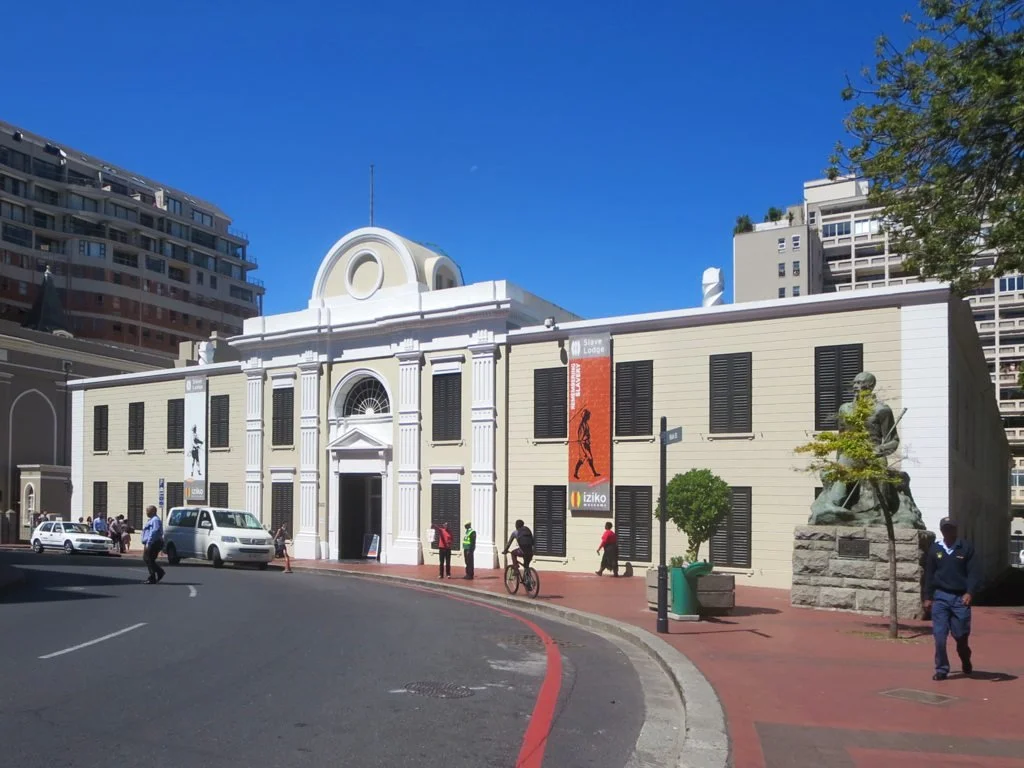
The Shadow: Visit the Slave Lodge, one of the oldest buildings in the city. Once used to house thousands of enslaved people from the East Indies and Africa, it now stands as a museum of memory and human rights.
The Urban Fabric: Trace how the expertise and labor of the enslaved are woven into the very architecture and culture of the modern city core, from the cobbles underfoot to the heritage of the Bo-Kaap.
-
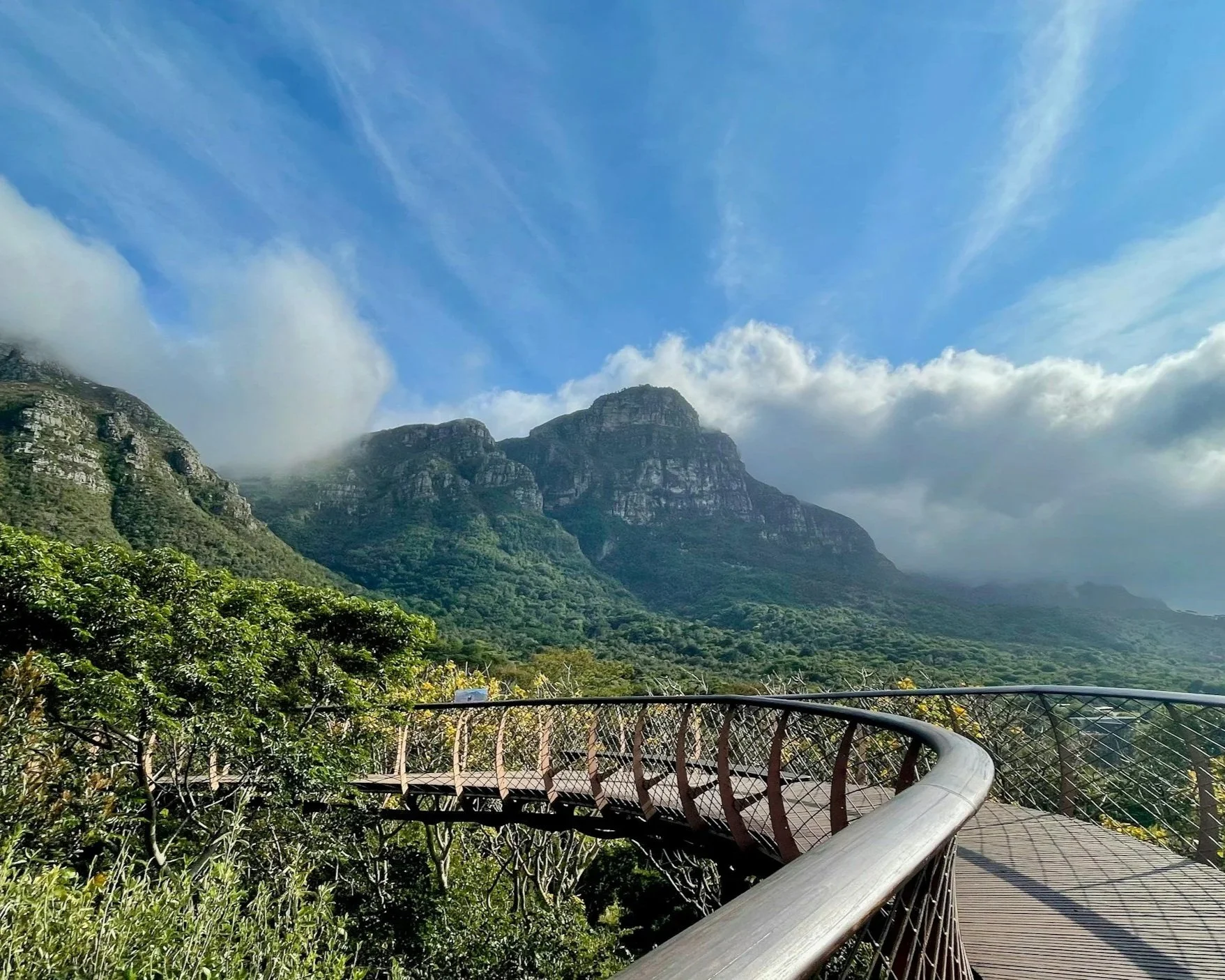
The Floral Kingdom: Head to the eastern slopes of the mountain to explore a UNESCO World Heritage site. Kirstenbosch is dedicated to the unique Cape Floral Kingdom, home to fynbos found nowhere else on Earth.
The Boomslang: Walk among the treetops on the Centenary Tree Canopy Walkway, offering a bird's-eye view of the garden and the mountain’s ancient silhouette from a fresh perspective.
The Cape Winelands Tour: A French Connection
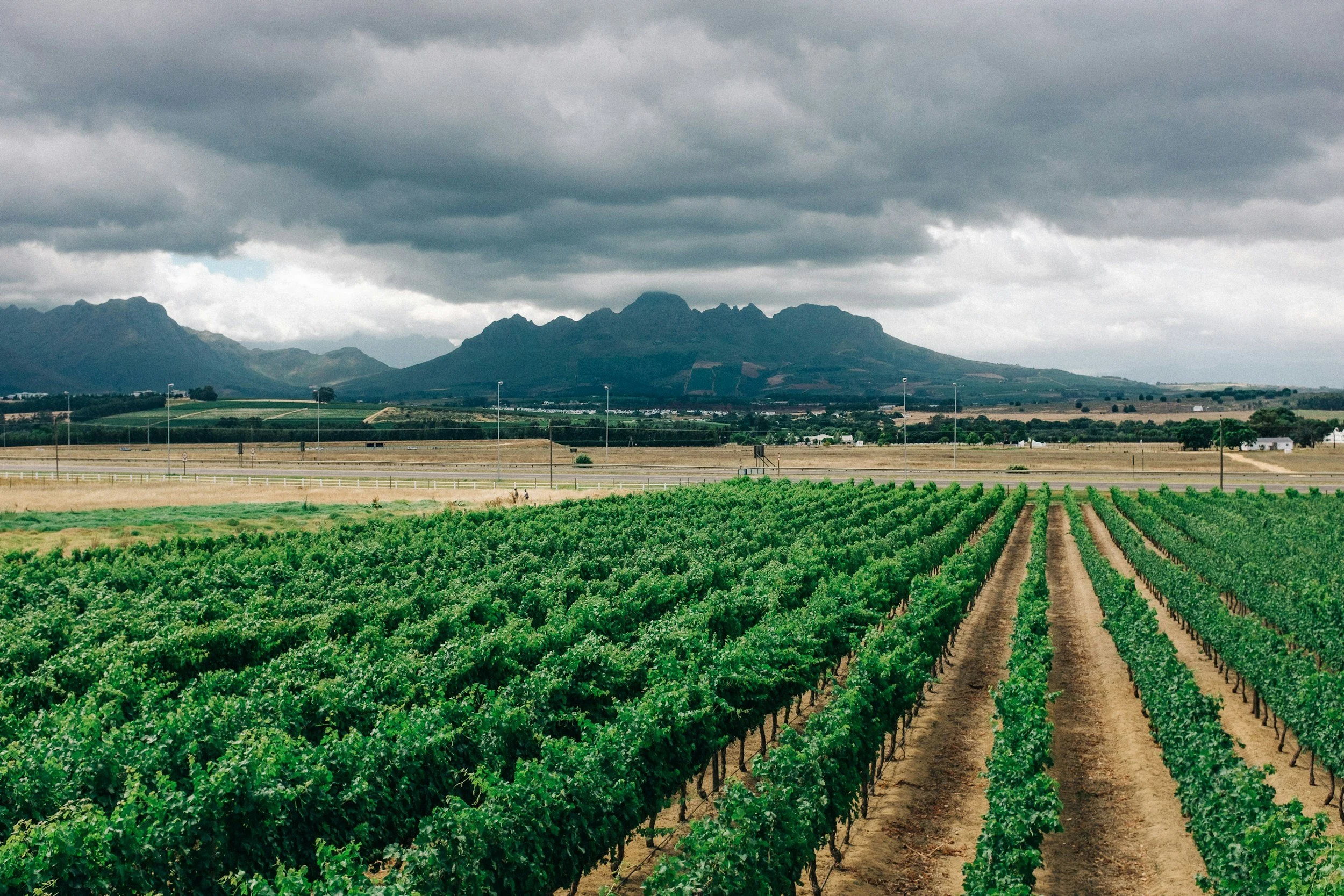
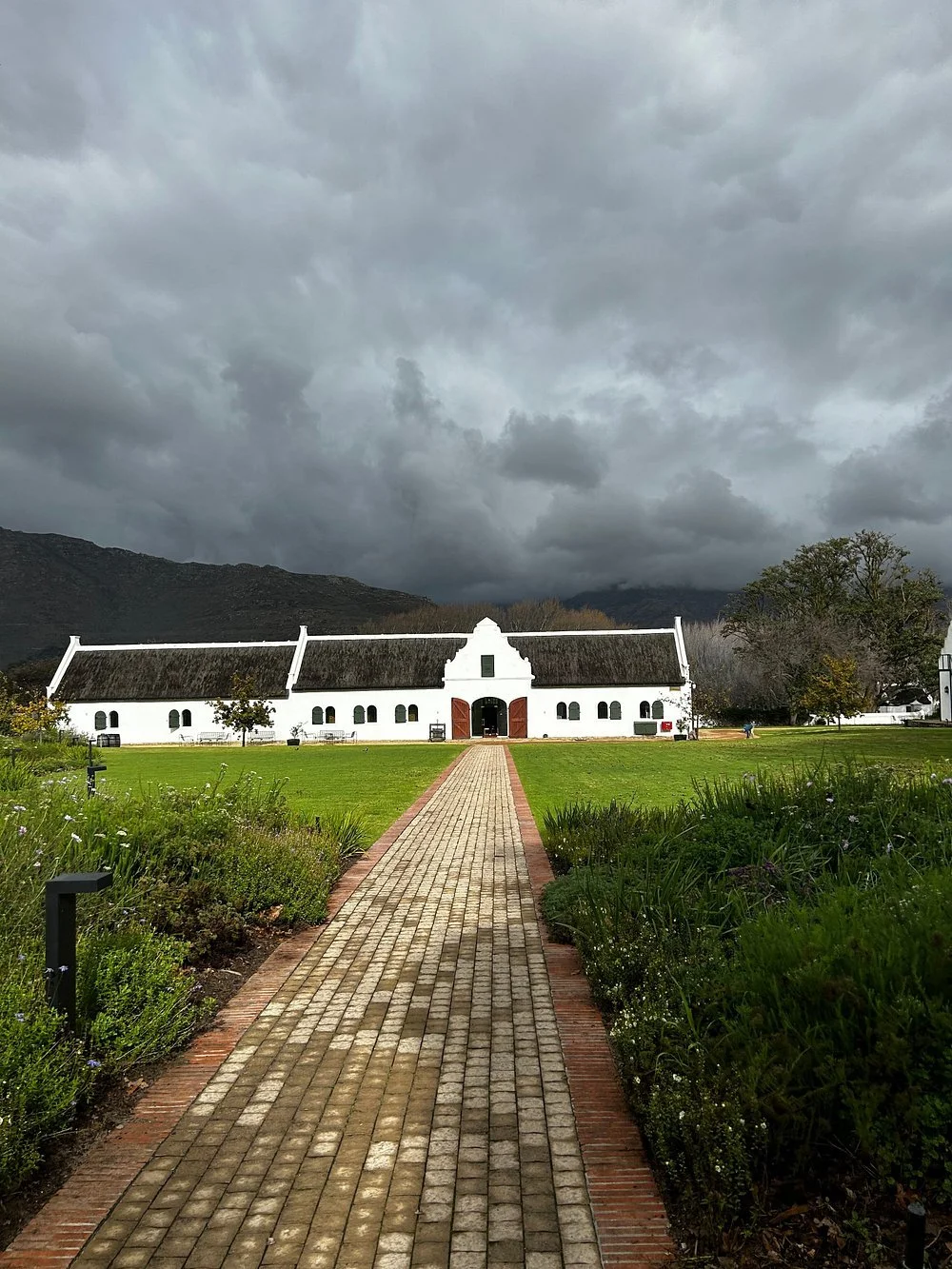
This full-day immersion through the valleys of Stellenbosch, Paarl, and Franschhoek is a Refined The history of the Cape Winelands is a heady blend of ambition, European tradition, and the complex realities of colonial expansion. It’s a story that transformed a "refueling station" for ships into one of the most prestigious wine regions in the world.
-
When Jan van Riebeeck and the Dutch East India Company (VOC) arrived at the Cape in 1652, their primary goal wasn't to start a luxury wine brand—it was to prevent scurvy. They needed fresh produce for sailors traveling to the East Indies.
1655: The first vine cuttings (mostly French Muscadel and Steenberg) arrived from Europe.
February 2, 1659: Van Riebeeck made the famous entry in his diary: "Today, praise be to God, wine was made for the first time from Cape grapes." * The Verdict: By most accounts, that first batch was pretty rough. The settlers weren't winemakers by trade; they were sailors and soldiers trying to figure it out on the fly.
-
The quality of Cape wine took a quantum leap forward thanks to two major events in the late 17th century:
Simon van der Stel: The first Governor of the Cape was a true wine enthusiast. In 1679, he founded Stellenbosch and later established his own estate, Groot Constantia. He proved that the Cape soil and Mediterranean climate were perfect for viticulture.
The Huguenots (1688): Following the revocation of the Edict of Nantes, French Protestants (Huguenots) fled to the Cape. They were granted land in Franschhoek ("French Corner"). Crucially, they brought with them centuries of French winemaking expertise that the Dutch simply didn't have.
-
By the 18th century, South African wine wasn't just "good for a colony"—it was a global sensation. Vin de Constance, a sweet dessert wine from the Constantia valley, became the most sought-after wine in the royal courts of Europe.
Famous Fans: Frederick the Great, King Louis Philippe of France, and most notably, Napoleon Bonaparte, who had bottles shipped to him during his exile on St. Helena.
The British Takeover (1806): When the British took control of the Cape, they slashed tariffs, leading to a massive export boom to London.
-
With the end of Apartheid and the democratic elections in 1994, the world’s doors swung open. South African winemakers began traveling abroad, and international investment flooded back into the valleys of Paarl, Stellenbosch, and Franschhoek.